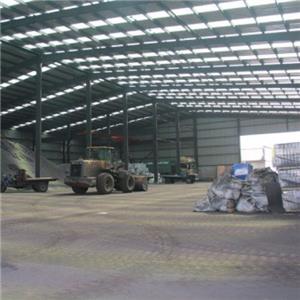
High-Titanium Slag: A Key "Cornerstone" Of the Titanium Industry Chain.
High-Titanium Slag: A Cornerstone Material in the Titanium Industry
Within the broader landscape of the titanium industry, high-titanium slag stands out as a critical cornerstone material. It underpins the production of key downstream products such as titanium dioxide pigments and sponge titanium, playing an indispensable role in the stability and development of the entire titanium value chain.
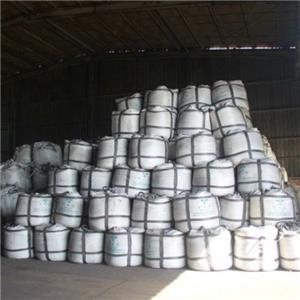
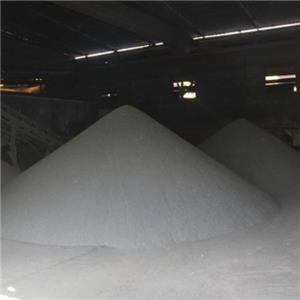
High-titanium slag is a titanium-rich material produced through physical and metallurgical processing of titanium ores. Its industrial production is primarily based on electric furnace smelting. In this process, titanium concentrate is mixed with solid reducing agents and charged into an electric furnace for reduction smelting. Iron oxides in the ore are selectively reduced to metallic iron, while titanium oxides are concentrated in the slag phase. After slag–metal separation, high-titanium slag is obtained along with by-product iron.
Importantly, high-titanium slag is neither waste nor a secondary by-product. It is a valuable raw material used directly in the production of titanium dioxide and sponge titanium. Based on titanium dioxide (TiO₂) content, high-titanium slag is classified into different grades. Slag with a TiO₂ content above 90% is typically suitable for the chloride process of titanium dioxide production, while material with lower TiO₂ content is commonly used in the sulfate process.
Broad Industrial Applications
High-titanium slag is widely used across multiple industrial sectors.
In the chemical industry, it serves as a core feedstock for titanium dioxide production. Titanium dioxide is extensively applied in construction materials, coatings, plastics, paper, and printing inks, where it provides excellent whiteness, opacity, and weather resistance.
In the metallurgical sector, high-titanium slag can be used in steelmaking to enhance mechanical strength and corrosion resistance, contributing to improved steel performance.
Beyond these traditional applications, high-titanium slag is also used in the production of ceramic materials, electronic materials, and other advanced functional materials, highlighting its growing versatility and industrial value.
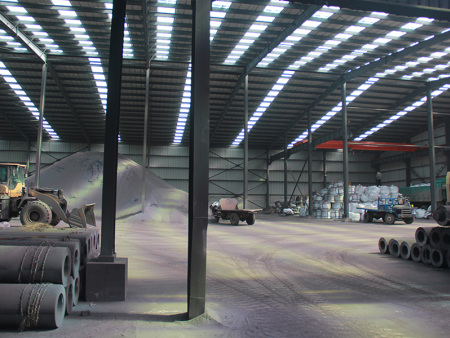
Market Growth and Industry Challenges in China
With the rapid expansion of the global titanium industry, demand for high-titanium slag continues to rise. In recent years, China’s titanium dioxide and sponge titanium industries have experienced strong growth, driving a sharp increase in demand for high-titanium slag.
However, the high-titanium slag sector in China also faces several structural challenges. On the supply side, although domestic production capacity has increased, it still falls short of meeting growing market demand, resulting in a relatively high level of external dependence. In terms of technology and equipment, some producers continue to rely on outdated facilities and less mature processes, which can affect product consistency, quality stability, and production efficiency.
Environmental pressure is another critical issue. High-titanium slag production is associated with emissions of waste gas, wastewater, and solid residues. Reducing environmental impact, improving waste treatment capacity, and achieving green and sustainable production have become central challenges for the industry.
Policy Support and Technological Upgrading
To address these issues, the Chinese government has introduced a series of policy measures to support the development of the high-titanium slag industry. From an environmental perspective, enterprises are encouraged to adopt clean production technologies, reduce emissions, and promote circular economy models that improve resource utilization.
At the same time, policies emphasize technological innovation and industrial upgrading to enhance product quality and value-added performance. Several leading companies with strong technical capabilities have begun investing in independent R&D of high-titanium slag, while also introducing advanced overseas technologies and large-scale production equipment. Through continuous optimization and innovation, these companies aim to improve both product quality and output efficiency.
Outlook
As a foundational material within the titanium industry, high-titanium slag plays a vital role in supporting downstream growth and industrial upgrading. Although the sector faces challenges related to supply, technology, and environmental compliance, ongoing technological progress and policy support are expected to drive sustainable development.
Looking ahead, the high-titanium slag industry in China is well positioned to strengthen its competitiveness and make a greater contribution to the long-term prosperity of the global titanium industry.