
Titanium-Rich Materials: A Key Cornerstone of the Titanium Industry
Titanium-Rich Materials: A Strategic Pillar of the Global Titanium Industry
Titanium-rich materials play a critical role in the global titanium industry. With their high titanium dioxide (TiO₂) content and stable chemical properties, these materials serve as a vital link between raw titanium ores and high-value titanium products. As demand continues to rise for titanium dioxide, sponge titanium, and advanced titanium-based materials, the strategic importance of titanium-rich materials has become increasingly evident.
Industry experts widely recognize that titanium-rich materials are not only a foundational element of the titanium value chain, but also a key factor influencing downstream product quality, production efficiency, and long-term sustainability.
What Are Titanium-Rich Materials?
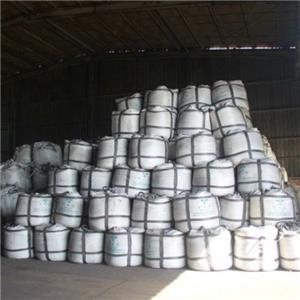
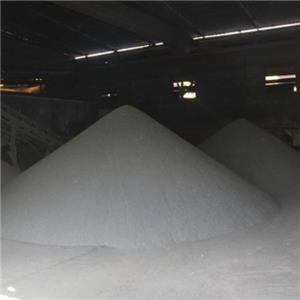
Titanium-rich materials generally refer to titanium slag or synthetic rutile with a titanium dioxide (TiO₂) content of no less than 75%. They are intermediate products derived from titanium ores and, together with titanium concentrates, form the core raw material base of the titanium industry.
Thanks to their high purity, strong chemical reactivity, and excellent physical and chemical stability, titanium-rich materials are indispensable feedstocks for the production of titanium dioxide pigments and sponge titanium. These characteristics enable more stable performance in downstream processes such as chlorination and reduction, ensuring consistent quality in final products.
Production Technologies: Mature Pyrometallurgy and Emerging Hydrometallurgy
At present, industrial production of titanium-rich materials mainly follows two technological routes: pyrometallurgical processes and hydrometallurgical processes.
Pyrometallurgical processes, particularly electric furnace smelting, remain the most widely used method. In this process, titanium-bearing iron concentrates are smelted at high temperatures with reducing agents. Iron oxides are reduced to molten iron and separated, while titanium dioxide becomes concentrated in the slag, producing high-titanium slag. This method is technically mature and suitable for large-scale production, but it is also associated with high energy consumption and carbon emissions.
In contrast, hydrometallurgical processes rely on chemical reactions to separate titanium from impurities. These include reduction–hydrochloric acid leaching, partial reduction–sulfuric acid leaching, ferric chloride leaching, and other chemical separation techniques. Such processes offer advantages in achieving higher purity and lower impurity levels and are increasingly viewed as a promising direction for producing high-grade titanium-rich materials.
Key Applications: Supporting Titanium Dioxide and Sponge Titanium Production
Titanium-rich materials are widely used across several critical industrial sectors.
Titanium Dioxide Production
Titanium-rich materials are essential feedstocks for the chloride process used to produce rutile-grade titanium dioxide pigments. Titanium dioxide is one of the world’s most important white pigments and is extensively used in coatings, plastics, rubber, paper, and printing inks.
Sponge Titanium Manufacturing
Titanium-rich materials also play a key role in the production of sponge titanium, which is the primary raw material for titanium metal, titanium alloys, and titanium mill products. These materials are widely applied in aerospace, medical devices, chemical processing equipment, and other high-performance industries.
Advanced and Emerging Applications
Beyond traditional uses, titanium-rich materials are increasingly utilized in the production of titanates, functional ceramics, and materials for environmental protection and renewable energy applications, further expanding their industrial value.
Market Trends: Rising Demand and a Shift Toward Sustainability
Driven by global industrial growth and expanding infrastructure investment in emerging economies, demand for titanium dioxide and titanium metal continues to increase. As a result, the market for titanium-rich materials has shown steady and sustained growth.
At the same time, stricter environmental regulations and global carbon reduction targets are accelerating technological upgrades within the industry. While conventional pyrometallurgical processes remain dominant, their high energy consumption and environmental impact have prompted increased investment in energy-efficient, low-emission, and cleaner production technologies. Companies with strong technical capabilities and environmental compliance are expected to gain a competitive edge.
Outlook: Technology, Quality, and Cost Will Shape the Future
As a cornerstone of the titanium industry, titanium-rich materials will continue to play an essential role in supporting downstream value creation. Looking ahead, industry competition is expected to focus on process innovation, product consistency, cost control, and environmental performance.
In the context of a rapidly evolving global titanium supply chain, companies that prioritize technological advancement, product reliability, and sustainable development are likely to achieve long-term growth and stronger market positioning.