
Titanium-Rich Materials: The Cornerstone and Future Engine of the Titanium Industry
Titanium-Rich Feedstocks: The Central Hub of the Modern Titanium Value Chain
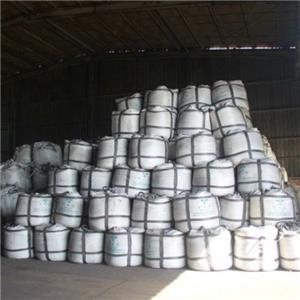
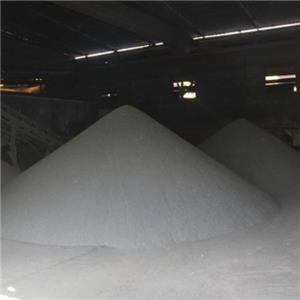
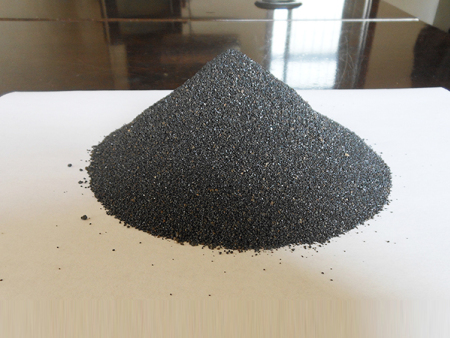
Within the titanium value chain, titanium-rich feedstocks serve as the critical link between upstream mineral resources and downstream titanium products. Derived from beneficiated ilmenite concentrates and defined by a titanium dioxide (TiO₂) content of 75% or higher, titanium-rich feedstocks play a pivotal role in improving resource efficiency while supporting the production of strategic materials such as titanium dioxide pigments and sponge titanium.
From titanium slag operations in Southwest China's Panxi region to technological innovation in chloride-process titanium dioxide production, the evolution of titanium-rich feedstocks is fundamentally reshaping the structure and competitiveness of the global titanium industry.
1. Classification and Process Landscape of Titanium-Rich Feedstocks
Based on production methods and product characteristics, titanium-rich feedstocks are generally divided into two main categories:
Titanium Slag
Titanium slag is produced via electric furnace reduction smelting and typically contains 75–90% TiO₂, making it the primary feedstock for sulfate-process titanium dioxide production.
A typical process involves mixing titanium concentrate (particle size 80–120 mesh) with anthracite coal at a ratio of approximately 1:0.3. The mixture is smelted in a sealed electric furnace at temperatures of 1,600–1,800 °C. Iron oxides are selectively reduced to molten iron, which settles at the furnace bottom, while titanium oxides concentrate in the slag phase.
A case study from a titanium slag plant in Yunnan Province with an annual capacity of 80,000 tonnes shows that the process requires molten leakage protection systems and high-temperature off-gas treatment facilities. Average power consumption is approximately 2,800 kWh per tonne of titanium slag.
Synthetic Rutile
Synthetic rutile is produced mainly through hydrochloric acid leaching or corrosion-based processes and contains ≥90% TiO₂, making it suitable for chloride-process titanium dioxide and sponge titanium production.
For example, the U.S.-developed BCA dilute hydrochloric acid recycling process leaches iron using 18–20% HCl at 145 °C and 0.24 MPa, producing synthetic rutile with TiO₂ content of 92–94%. However, this process presents significant technical challenges related to equipment corrosion and acid-resistant materials.
2. Technological Breakthroughs: From Resource Dependence to Efficiency Gains
Scaling Up Electric Furnace Technology
Rio Tinto Fer et Titane in Quebec has developed a 63 MVA sealed DC electric furnace capable of producing up to 300 tonnes of titanium slag per day—three times the output of conventional furnaces. The system also recovers furnace off-gas, reducing specific energy consumption to 2,200 kWh per tonne.
Greener Acid-Leaching Processes
Iluka Resources in Australia has introduced fluidized granulation technology to address fine-grained titanium concentrates (≤0.15 mm, accounting for ~45% of feedstock). By improving particle strength with binders, hydrochloric acid leaching efficiency increased by 40%, while acid recycling rates reached 95%.
Low-Temperature Agglomeration Technologies
To meet the strict particle size requirements (0.150–0.250 mm) of fluidized-bed chlorination processes, research has focused on low-temperature binder systems capable of increasing cold crushing strength beyond 500 N per pellet, significantly improving fine-particle utilization.
3. Industry Landscape: China's Rise in a Competitive Global Market
Strengthening Resource Control
China's Panxi region accounts for approximately 78.9% of the country's titanium resource reserves, enabling the formation of a fully integrated value chain from titanium concentrate to titanium-rich feedstocks.
CNNC Titaniums' Hami project has established one of the world's largest titanium-rich feedstock bases with a capacity of 2 million tonnes per year, while LB Groups' Panxi project has achieved 500,000 tonnes per year of chloride-grade titanium slag, effectively breaking long-standing technological barriers.
Accelerating Technological Upgrading
Titanium-rich feedstock technologies have been included in China's national “14th Five-Year Plan” key R&D initiatives, targeting a comprehensive titanium resource utilization rate of 30%. Through industry–academia collaboration, domestic producers have achieved notable progress in electric furnace automation, waste acid treatment, and process control, with several performance indicators reaching international standards.
Market Restructuring
By 2020, global titanium dioxide capacity reached 14.16 million tonnes, with chloride-process products accounting for 43%. As the quality of China's titanium-rich feedstocks improves, exports continue to rise. In 2021, China’s titanium material exports exceeded imports in value, signaling a transition from a resource-based supplier to a technology-driven industry leader.
4. Future Challenges: Carbon Neutrality and Supply Constraints
Pressure for Low-Carbon Transformation
Producing one tonne of titanium slag generates approximately 1.8 tonnes of CO₂. The industry urgently needs low-carbon solutions such as hydrogen-based reduction and carbon capture technologies. Norway's Tizir Group has piloted hydrogen-based reduction processes that reduce carbon emissions by 60%, though costs remain about 35% higher than conventional methods.
Feedstock Quality Gap
Chloride-process titanium dioxide requires calcium and magnesium content below 0.5%, while domestic titanium slag typically contains 1.5–2.5%. LB Group has reduced Ca–Mg content to 0.8% through acid purification, but partial reliance on imported synthetic rutile remains.
Circular Economy Development
Each tonne of titanium slag production generates approximately 300 kg of metallic iron, yet domestic recovery rates remain below 60%. Baowu Steel has developed a combined magnetic separation–smelting process that increases iron recovery to 92%, allowing by-product hot metal to be reused in electric arc furnaces and forming a closed-loop resource system.
5. Emerging Trends: Nanotechnology and Digitalization
Nanostructure Engineering
Molecular dynamics simulations are being used to optimize titanium slag crystal structures for photovoltaic applications. Research by the Chinese Academy of Sciences shows that titanium slag nanoparticles with specific crystal orientations can increase perovskite solar cell efficiency by 1.2 percentage points.
Smart Manufacturing
Pangang Group has built China's first intelligent titanium slag plant, using digital twin technology to optimize furnace temperature and current in real time. This reduced TiO₂ grade fluctuation from ±2% to ±0.5% and lowered energy consumption per tonne by 8%.
Bio-Metallurgical Innovation
Australia's CSIRO has demonstrated a bioleaching process using acidophilic bacteria to extract up to 85% of titanium from ilmenite at ambient temperatures (~30 °C), reducing energy consumption by 90%. Although still at pilot scale, this technology could fundamentally disrupt conventional titanium-rich feedstock production.
Conclusion
From electric furnaces on the Panxi Plateau to hydrochloric acid leaching facilities in Australia, the technological evolution of titanium-rich feedstocks reflects humanity's ongoing effort to unlock the full value of titanium resources. Under the dual transformation of carbon neutrality and digitalization, this traditionally heavy industrial sector is entering a new phase of innovation.
As nanotechnology converges with intelligent algorithms and circular economy principles reshape value distribution, titanium-rich feedstocks will not only continue to serve as the foundation of the titanium industry but also emerge as an active contributor to the next generation of advanced materials.