The Strategic Importance of High-Titanium Slag in Modern Metallurgy.

The Strategic Importance of High-Titanium Slag in Modern Metallurgy.

29-12-2025

1. High-Titanium Slag: A Strategic Resource in the Global Value Chain

High-titanium slag is not a byproduct or waste; it is a premium titanium mineral enrichment achieved through sophisticated pyrometallurgical processes. As a high-concentration carrier of Titanium Dioxide (TiO₂), it serves as the essential feedstock for producing Titanium Tetrachloride (TiCl₄), high-end Titanium Dioxide pigments, and the strategic metal—Titanium Sponge.

In an era of tightening environmental regulations and increasing resource efficiency, high-titanium slag has become a cornerstone of the global supply chain, offering low emission profiles, high resource utilization, and superior end-product quality.


2. Market Dynamics in China and Global Implications

In recent years, China's demand for high-titanium slag has surged, driven by the rapid expansion of its titanium dioxide and titanium sponge sectors. While production capacity within China continues to grow, the massive downstream demand necessitates significant annual imports to bridge the supply-demand gap. This dynamic not only fuels China's industrial progress but also drives the urgent need for global metallurgical innovation.


3. Industry Challenges: Bottlenecks of Traditional Smelting

Currently, high-titanium slag production in China primarily relies on traditional electric furnace smelting (single-step process). This conventional method faces several critical global challenges:

  • Excessive Energy Consumption: Cold-charging the furnace leads to extremely high electricity costs.

  • Strict Reductant Requirements: The process demands high-quality reductants, significantly inflating operational expenditures (OPEX).

  • Low Productivity: Long reaction cycles limit the ability to scale production efficiently.
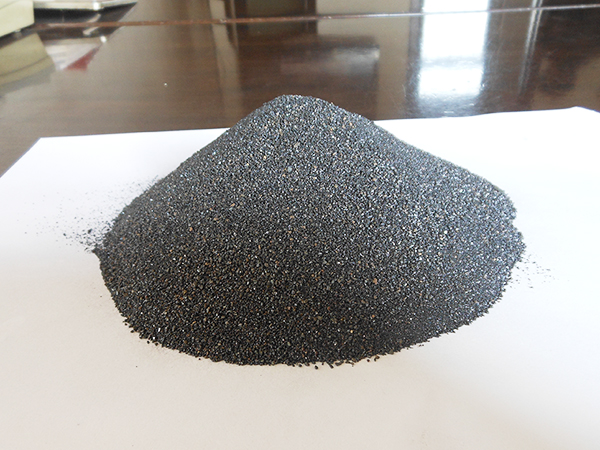

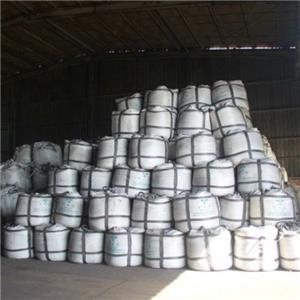
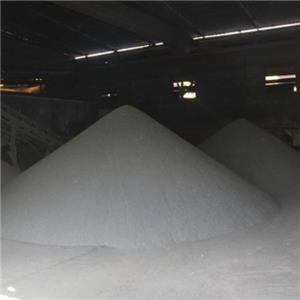
High-Titanium Slag


4. Technical Breakthrough: The Innovation of RK-SAF Technology

To address these industry pain points, our company has conducted systematic research to successfully adapt the Rotary Kiln Pre-reduction + Submerged Arc Furnace Smelting (RK-SAF) technology for titanium applications.

This process has been thoroughly validated in the global ferronickel industry (known as the RKEF process). Given that the smelting principles of high-titanium slag are highly similar to those of nickel laterite, the RK-SAF method is currently recognized as the most advanced and economically viable solution for high-titanium slag production worldwide.


Key Advantages Over Traditional Methods:

  • Energy Efficiency: Through pre-heating and pre-reduction, total energy consumption per ton of product is reduced by 30% - 40%.

  • High Metallization: Before entering the furnace, the metallization rate in the rotary kiln reaches 70% - 80%, optimizing the chemical workload.

  • Significant Yield Increase: "Hot charging" dramatically shortens the reaction time within the electric furnace, leading to a substantial boost in single-unit output.


5. Your Professional Partner: From Design to Lifecycle Support

With extensive R&D investment in the metallurgy of Molybdenum, Titanium, Vanadium, and Nickel Laterite, our company has established a comprehensive EPC (Engineering, Procurement, and Construction) service model.

We provide more than just equipment; we deliver integrated industrial solutions, including:

  • Customized Process Design: Tailored to specific ore grades and project requirements.

  • High-End Manufacturing: Durable, high-performance rotary kilns and submerged arc furnaces.

  • Seamless Execution: From installation and commissioning to trial production.

  • Full Lifecycle Support: Ensuring long-term operational stability and technical optimization.


Get the latest price? We'll respond as soon as possible(within 12 hours)

Privacy policy